
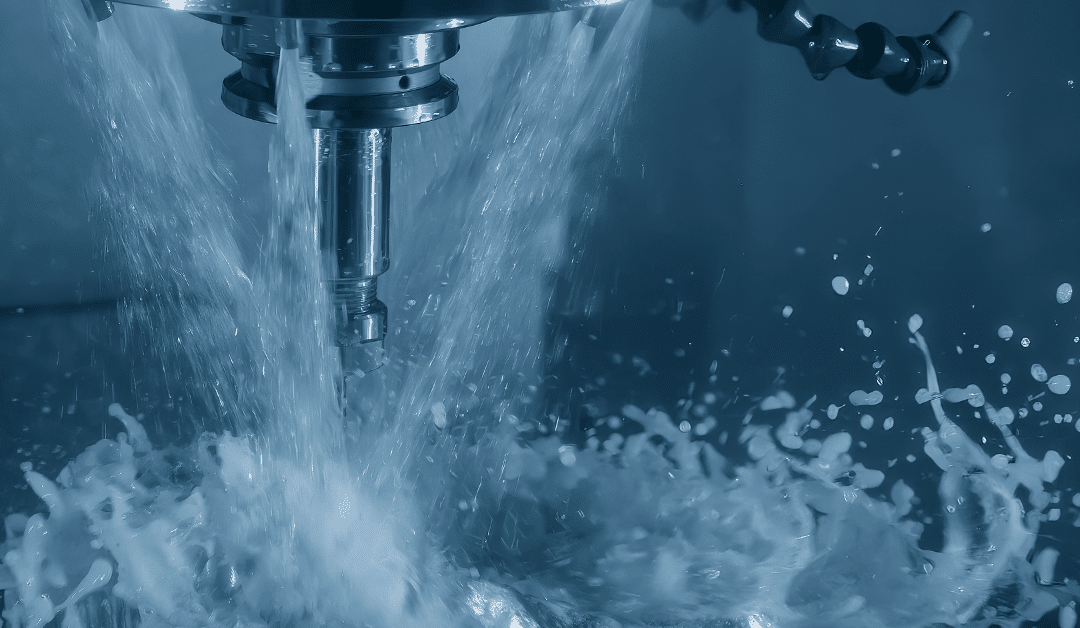
Industrial machinery depends on proper lubrication to operate efficiently, reliably, and safely. Bearings, gears, chains, motors, pumps, and other moving components experience friction whenever equipment is running. Without the correct lubricant applied in the appropriate amount, friction can increase, temperatures can rise, and components may wear faster than expected.
Managing lubrication across an industrial facility can become complicated, especially when maintenance teams are responsible for many machines and several different types of oil or grease. Lubricant dispensing systems provide an organized method for storing, transferring, measuring, and delivering lubricants where they are needed.
Understanding how these systems work can help facility managers develop better lubrication practices, reduce unnecessary waste, and support a more effective preventative maintenance program.
What Are Lubricant Dispensing Systems?
Lubricant dispensing systems are equipment arrangements designed to move lubricants from storage containers to the locations where they will be used. Depending on the application, a system may include pumps, hoses, reels, meters, valves, filters, piping, dispensing nozzles, and other components.
The complexity of a system can vary significantly. A smaller maintenance operation may use a relatively simple pump and hose configuration, while a large industrial facility may require a centralized system capable of supplying lubricant to several areas.
The purpose remains similar regardless of size. The system provides maintenance personnel with a controlled way to move lubricant while helping protect the product from contamination and unnecessary exposure.
Why Lubricant Dispensing Matters
Choosing a high-quality lubricant is only part of an effective lubrication program. The lubricant must also remain clean and be delivered correctly.
Every transfer creates an opportunity for contamination. Dirt, dust, moisture, metal particles, or residue from another lubricant can enter the product if employees use dirty funnels, open buckets, improperly cleaned containers, or shared dispensing equipment.
Lubricant dispensing systems can help reduce these risks by creating a more controlled transfer process. Instead of repeatedly opening lubricant containers and manually pouring products, facilities can use dedicated equipment designed for specific lubricants and applications.
A controlled process can also make lubricant usage easier to track and help maintenance personnel apply more consistent quantities.
How Do Lubricant Dispensing Systems Work?
The exact process depends on the design, but most systems begin with lubricant stored in a drum, tote, tank, or other designated container. A pump moves the lubricant from storage through hoses or piping. From there, the lubricant travels to a dispensing point where technicians can transfer it into equipment or an appropriate application container.
Some lubricant dispensing systems include meters that allow technicians to monitor the amount of product being dispensed. Others incorporate filters to help control contamination before lubricant reaches its destination.
More advanced configurations may include multiple dispensing points throughout a facility. This allows technicians to access lubricant closer to equipment rather than repeatedly transporting containers across a large plant.
The system should be designed around the lubricant characteristics, equipment requirements, operating environment, and maintenance procedures of the individual facility.
The Main Components of a Dispensing System
While configurations differ, several components are commonly found in industrial lubricant dispensing equipment.
Storage Containers
The process begins with proper storage. Lubricants may be kept in drums, totes, tanks, or other containers designed for industrial fluids.
Storage equipment should protect products from dirt, water, and other contaminants. Containers should also be clearly labeled so technicians can easily identify the correct lubricant.
Pumps
Pumps provide the force necessary to move lubricant through the system. The appropriate pump depends on factors such as lubricant viscosity, transfer distance, flow requirements, and operating environment.
Grease, for example, behaves differently from lower-viscosity oils and may require different equipment.
Hoses and Piping
Hoses or piping transport lubricant between storage and dispensing locations. These components must be compatible with the lubricant being handled and capable of meeting the system’s pressure requirements.
Regular inspections can help identify leaks, damaged hoses, loose fittings, or other problems that could affect performance.
Filters
Contamination control is an important part of industrial lubrication. Filters may be incorporated into lubricant dispensing systems to help remove unwanted particles before lubricant reaches machinery.
Filtration requirements depend on the equipment and lubricant involved.
Meters
Meters allow maintenance personnel to measure how much lubricant is being dispensed. Accurate measurement can improve consistency and make it easier to monitor lubricant consumption.
Unexpected increases in usage may also alert maintenance teams to leaks, over-application, or other problems.
Dispensing Nozzles and Valves
The final stage involves controlling lubricant flow at the dispensing point. Nozzles, valves, and similar equipment allow technicians to start and stop delivery while directing lubricant where it is needed.
These components should remain clean and protected when they are not being used.
Reducing the Risk of Contamination
Lubricant cleanliness can have a major impact on equipment performance. Contaminants introduced before a lubricant even reaches machinery can contribute to abrasive wear, corrosion, clogged components, and reduced lubricant effectiveness.
A common problem occurs when the same transfer equipment is used for several incompatible lubricants. Residual product left inside pumps, hoses, or containers can mix with another lubricant during the next transfer.
Dedicated lubricant dispensing systems can help facilities create separation between products. Color coding and clear labeling can provide additional protection by making it easier for employees to match dispensing equipment with the correct lubricant.
Facilities should also establish procedures for keeping nozzles, hoses, storage containers, and other equipment clean.
Improving Lubricant Application Accuracy
Both under-lubrication and over-lubrication can create maintenance problems.
Too little lubricant may leave moving surfaces without sufficient protection. Too much can result in unnecessary waste and may negatively affect certain components.
Using lubricant dispensing systems with appropriate metering equipment allows maintenance personnel to better control the quantity of product being transferred or applied.
This is particularly useful when equipment requires specific lubricant quantities. Instead of estimating the amount, technicians can use measured delivery as part of a standardized maintenance procedure.
Greater consistency can improve lubrication practices across different shifts and maintenance teams.
Reducing Lubricant Waste
Industrial lubricants represent an ongoing operating expense, so unnecessary waste can quickly increase costs.
Spills, leaks, overfilling, inaccurate application, and contaminated products that must be discarded all contribute to higher lubricant consumption.
A well-designed dispensing process helps facilities control these problems. Pumps and hoses can reduce the need for open-container pouring, while metering equipment can help technicians dispense appropriate quantities.
Tracking consumption can also reveal unusual trends. If one machine suddenly requires significantly more lubricant than normal, maintenance personnel can investigate whether a leak or equipment problem is responsible.
Reducing waste provides both financial and operational benefits.
Supporting a Cleaner Maintenance Area
Open buckets, funnels, dripping containers, and poorly organized lubricant storage can make maintenance areas difficult to keep clean.
Spilled lubricants may create slip hazards, collect dirt, and require additional cleanup. Poor organization can also make it more difficult for technicians to identify the correct product quickly.
Lubricant dispensing systems can help create a more organized maintenance environment by establishing designated storage and transfer processes.
Hose reels, labeled dispensing points, dedicated pumps, and organized storage containers can make routine lubrication tasks easier to manage while reducing unnecessary clutter.
Cleanliness is especially important because maintenance areas can become a source of lubricant contamination if products are regularly exposed to dust and debris.
Making Maintenance More Efficient
Maintenance technicians are responsible for much more than lubrication. Their daily responsibilities may include inspections, troubleshooting, repairs, cleaning, component replacement, and other preventative maintenance activities.
An inefficient lubrication process can consume valuable time. Technicians may need to locate containers, transport heavy products, find transfer equipment, measure quantities, and clean spills before moving to the next machine.
Strategically located lubricant dispensing systems can simplify these tasks. Providing technicians with convenient access to properly identified lubricants reduces unnecessary movement and makes standardized procedures easier to follow.
The time saved can be redirected toward inspections and other maintenance activities that support equipment reliability.
Supporting Preventative Maintenance Programs
Lubrication should be treated as part of a broader preventative maintenance strategy rather than an isolated task.
A good program establishes which lubricant each machine requires, how much should be applied, how frequently application should occur, and how the product should be stored and handled.
Dispensing equipment supports this process by making lubricant delivery more controlled and repeatable.
Facilities can also document lubricant consumption and compare it with equipment history. If consumption patterns change unexpectedly, maintenance personnel can investigate potential leaks, component wear, or other operating problems.
Combining lubricant records with inspections, condition monitoring, and equipment maintenance creates a more complete picture of machine performance.
Choosing the Right System for Your Facility
There is no single dispensing configuration that works for every industrial operation.
Facilities should consider several factors before selecting or upgrading equipment, including the number of lubricants used, lubricant viscosity, storage volume, distance between storage and application points, required flow rates, contamination requirements, and available maintenance space.
The type of machinery being serviced also matters. A facility operating a small number of machines may have very different needs from a large manufacturing plant with equipment spread across multiple production areas.
When evaluating lubricant dispensing systems, facilities should also consider how easily employees can inspect, clean, and maintain the equipment. A system that is difficult to service may eventually create additional maintenance challenges.
The Importance of Proper Labeling
Industrial facilities frequently use several lubricants that may look very similar. Using the wrong product can cause serious equipment problems even when the lubricant itself is high quality.
Clear identification is therefore essential.
Storage containers, pumps, hoses, portable transfer containers, and dispensing points should use consistent labels. Some facilities also use color-coded identification systems to make matching products and equipment easier.
Employees should receive training on the identification system and understand that lubricants should never be transferred into unidentified containers.
Standardized labeling can significantly reduce the possibility of cross-contamination and application errors.
Routine Inspection and Maintenance
Dispensing equipment requires maintenance just like the machinery it supports.
Technicians should inspect hoses for wear, check fittings for leaks, verify pumps are operating properly, examine filters, clean dispensing equipment, and make sure labels remain readable.
Storage areas should also be checked for spills, damaged containers, water intrusion, and other conditions that could compromise lubricant quality.
If lubricant dispensing systems include meters, technicians should verify that the equipment continues to provide accurate measurements.
Routine inspections help identify small problems before they interfere with lubricant delivery or create contamination risks.
Training Employees on Proper Lubricant Handling
Even a well-designed system can be compromised by poor handling practices.
Employees responsible for lubrication should understand how to select the correct product, operate dispensing equipment, prevent contamination, identify unusual conditions, and report damaged components.
Training should also address the importance of keeping containers closed, protecting dispensing nozzles, avoiding unnecessary product mixing, and following facility-specific procedures.
Consistent practices are especially important when multiple employees or shifts perform maintenance. Standardized training helps ensure lubricant handling does not depend entirely on individual habits.
When Is It Time to Upgrade?
Older dispensing equipment may continue functioning even when it no longer meets the needs of a growing industrial operation.
Frequent spills, inaccurate dispensing, damaged hoses, contamination issues, difficult lubricant identification, excessive manual handling, and poor inventory control can all indicate that existing processes deserve evaluation.
Facilities that add new equipment or increase production may also discover that their original lubrication setup is no longer efficient.
Upgrading lubricant dispensing systems provides an opportunity to evaluate the entire lubricant management process, including storage, transfer, labeling, filtration, application, and inventory practices.
Rather than addressing individual problems separately, facilities can create a more organized approach that supports long-term equipment reliability.
More Than Selecting an Oil
Proper lubrication involves much more than selecting an oil or grease and applying it to machinery. Every step between lubricant delivery and final application can influence cleanliness, accuracy, efficiency, and equipment protection.
Lubricant dispensing systems provide industrial facilities with a controlled method for transferring and delivering lubricants. When properly designed and maintained, they can help reduce contamination, minimize waste, improve application accuracy, organize maintenance areas, and make routine lubrication tasks more efficient.
The most effective approach considers the facility’s equipment, lubricant requirements, operating conditions, and maintenance procedures as a complete system. Regular inspections, employee training, proper storage, accurate labeling, and contamination control should all remain part of the program.
Stay up to date with the latest at PBM Services Company by following us on LinkedIn.