
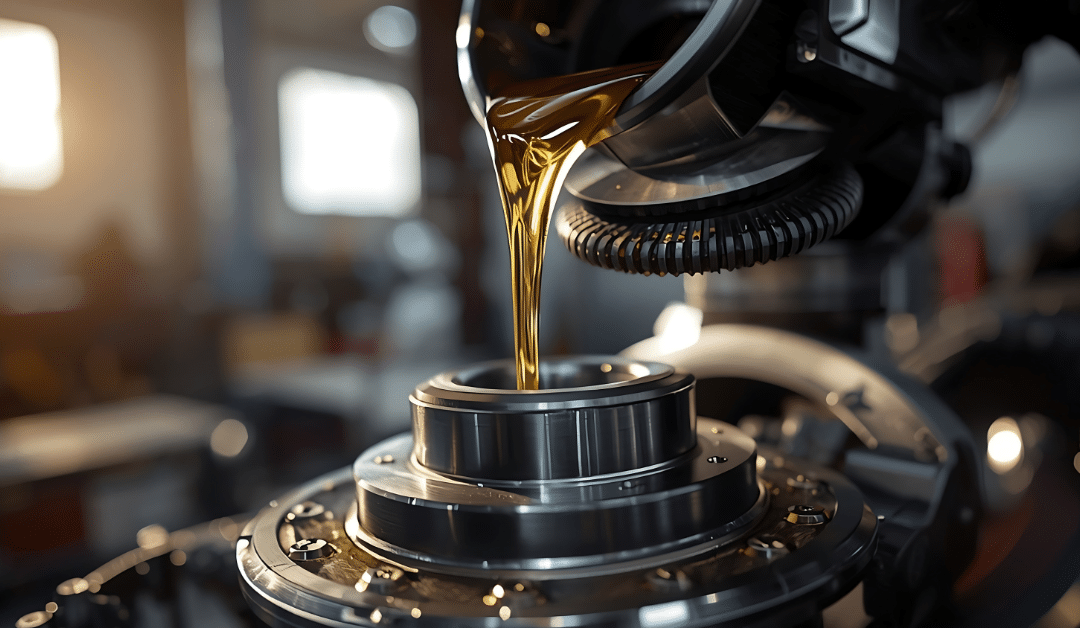
Industrial equipment is a significant investment for any manufacturing plant, warehouse, processing facility, or production operation. Keeping that equipment running efficiently requires more than routine inspections and repairs. One of the most important aspects of preventative maintenance is selecting the proper factory machinery lubricants for every piece of equipment.
Lubricants reduce friction between moving parts, minimize wear, help regulate operating temperatures, and protect machinery from corrosion. However, not every lubricant is designed for every application. Choosing the wrong product can lead to increased maintenance costs, equipment failures, reduced productivity, and even safety concerns.
Understanding what factors to consider when selecting factory machinery lubricants can help your facility improve equipment performance, reduce downtime, and maximize the life of valuable assets.
Why Lubricant Selection Matters
Many facility managers focus on scheduling lubrication but overlook whether they are using the correct product. While applying lubricant regularly is essential, using an incompatible lubricant can cause just as many problems as not lubricating equipment at all.
Every machine operates under unique conditions. Some equipment experiences extremely high temperatures, while others are exposed to moisture, chemicals, dust, or heavy loads. Different operating environments require different lubricant properties.
Using the appropriate factory machinery lubricants helps create a protective barrier between moving metal surfaces. This reduces friction, prevents excessive wear, and allows equipment to operate more efficiently throughout its service life.
Making informed lubricant choices also supports preventative maintenance efforts by reducing unexpected failures and minimizing costly emergency repairs.
Understand Your Equipment Requirements
The first step in selecting the right lubricant is understanding the equipment itself. Manufacturers typically provide detailed lubrication recommendations within equipment manuals. These recommendations outline the proper lubricant type, viscosity, additives, and service intervals.
Ignoring manufacturer specifications can create unnecessary wear and decrease equipment performance. Even two similar pieces of machinery may require different lubricants depending on their operating conditions.
When evaluating factory machinery lubricants, consider factors such as:
- Operating temperature
- Equipment speed
- Load capacity
- Environmental conditions
- Exposure to water or chemicals
- Continuous versus intermittent operation
Reviewing these factors helps narrow down the most appropriate lubricant for each application.
Consider Operating Conditions
Industrial facilities present a wide variety of operating environments. Equipment located inside a clean manufacturing area has very different lubrication requirements than machinery operating outdoors or in dusty production environments.
Heat is one of the biggest factors affecting lubricant performance. High operating temperatures can cause certain lubricants to break down more quickly, reducing their ability to protect moving components.
Facilities that operate in cold environments must also ensure lubricants remain fluid enough during startup to properly coat internal components.
Moisture presents another challenge. Water contamination can significantly reduce lubricant effectiveness and increase corrosion inside equipment.
Choosing factory machinery lubricants designed for your specific operating environment helps ensure consistent performance regardless of working conditions.
Select the Proper Viscosity
Viscosity refers to a lubricant’s resistance to flow. It is one of the most important characteristics to consider during lubricant selection.
If viscosity is too low, the lubricant may not provide enough protection between moving parts. If viscosity is too high, equipment may require additional energy to operate, increasing wear and reducing efficiency.
Proper viscosity depends on several variables, including:
- Equipment design
- Operating speed
- Ambient temperature
- Internal operating temperature
- Load requirements
Selecting the correct viscosity ensures adequate lubrication while allowing machinery to perform efficiently.
Evaluate Lubricant Additives
Modern lubricants contain additives that improve performance under specific operating conditions. These additives can enhance oxidation resistance, corrosion protection, extreme pressure performance, and contamination control.
Different equipment benefits from different additive packages. Heavy industrial machinery operating under high loads often requires extreme-pressure additives, while equipment exposed to moisture may require enhanced rust inhibitors.
Understanding these formulations allows maintenance teams to select factory machinery lubricants that offer the greatest protection for each application.
Think Beyond Initial Cost
It can be tempting to select lubricants based solely on purchase price. However, lower-cost products often become more expensive over time if they contribute to increased equipment wear or shorter maintenance intervals.
Higher-quality lubricants frequently deliver greater value by extending component life, improving efficiency, and reducing downtime.
When evaluating lubrication costs, facilities should consider:
- Equipment lifespan
- Maintenance frequency
- Downtime expenses
- Energy efficiency
- Replacement part costs
- Overall productivity
Looking at total operating costs instead of initial purchase price often leads to better long-term decisions.
Avoid Mixing Different Lubricants
One common mistake in industrial facilities is mixing lubricants from different manufacturers or formulations without verifying compatibility.
Different base oils and additive packages may react poorly when combined. Mixing incompatible lubricants can reduce performance, create sludge, clog filters, and accelerate equipment wear.
Whenever switching products, maintenance teams should verify compatibility and follow proper flushing procedures if necessary.
Proper lubricant management helps maximize the effectiveness of factory machinery lubricants while protecting sensitive equipment.
Develop Standardized Lubrication Procedures
Choosing the correct lubricant is only part of the equation. Facilities also benefit from creating standardized lubrication procedures that ensure consistency throughout the maintenance program.
Every technician should understand:
- Which lubricant belongs in each machine
- Proper lubrication intervals
- Correct application methods
- Safe handling procedures
- Storage requirements
- Documentation practices
Standardized procedures reduce human error and help maintain consistent equipment performance across the facility.
Proper Storage Is Just as Important as Proper Selection
Even the highest-quality lubricant can lose its effectiveness if it is stored improperly. Contaminants such as dust, dirt, moisture, and debris can quickly compromise lubricant quality before it ever reaches a machine.
Facilities should store lubricants in clean, dry environments with clearly labeled containers. Temperature-controlled storage areas help maintain lubricant stability, while sealed dispensing systems reduce the risk of contamination during use.
Many industrial facilities benefit from organized bulk storage systems that allow maintenance personnel to quickly identify the correct lubricant while maintaining product integrity. Investing in proper storage practices protects both the lubricant and the equipment it is intended to support.
Proper storage ensures that factory machinery lubricants continue performing as designed from the moment they are received until they are applied.
Monitor Equipment Performance After Lubrication
Selecting the right lubricant is not the final step. Maintenance teams should continually monitor equipment performance to verify that lubrication practices are producing the desired results.
Indicators that lubrication is working effectively include smoother operation, reduced vibration, lower operating temperatures, and decreased equipment noise.
Likewise, signs such as excessive heat, unusual sounds, or accelerated wear may indicate that adjustments are needed. Monitoring allows maintenance teams to identify issues early before they develop into major repairs.
Regular inspections also provide valuable information that can improve future lubrication decisions.
Train Maintenance Personnel
Even the best lubrication program depends on the people responsible for carrying it out. Maintenance personnel should receive ongoing training on lubricant selection, storage, handling, and application techniques.
Training helps employees understand why different lubricants are used for different equipment and reduces the likelihood of accidental contamination or improper application.
Well-trained technicians are more likely to recognize early warning signs of lubrication problems and take corrective action before equipment is damaged.
An educated maintenance team is one of the most valuable assets in any lubrication program.
Build Lubrication Into Your Preventative Maintenance Plan
Lubrication should never be treated as an isolated maintenance task. Instead, it should be incorporated into a comprehensive preventative maintenance program that includes inspections, cleaning, equipment monitoring, and scheduled servicing.
A well-planned lubrication schedule helps ensure every machine receives the proper lubricant at the correct interval. Maintenance software or digital tracking systems can help facilities organize schedules and document completed work.
When lubrication becomes part of a larger maintenance strategy, facilities often experience fewer equipment failures, lower maintenance costs, and improved operational efficiency.
Choosing the right factory machinery lubricants is only one part of a successful program. Consistency in applying them is equally important.
Common Mistakes to Avoid
Even experienced maintenance teams occasionally make lubrication mistakes that can impact equipment reliability. Avoiding these common errors can significantly improve equipment performance.
- Using one lubricant for every machine regardless of manufacturer recommendations.
- Mixing different lubricant types without confirming compatibility.
- Applying too much or too little lubricant.
- Ignoring contamination during storage or dispensing.
- Skipping scheduled lubrication intervals.
- Failing to document lubrication activities.
- Selecting products based only on price instead of performance.
By recognizing these mistakes and implementing standardized procedures, facilities can improve lubrication consistency and protect valuable equipment.
The Long-Term Benefits of Choosing the Right Lubricants
Proper lubricant selection offers benefits that extend well beyond routine maintenance.
Facilities that use appropriate factory machinery lubricants often experience:
- Longer equipment life
- Reduced component wear
- Fewer unexpected breakdowns
- Lower maintenance costs
- Improved production efficiency
- Better energy performance
- Increased workplace safety
These advantages contribute to greater operational reliability and allow businesses to focus more on production rather than emergency repairs.
Over time, even small improvements in lubrication practices can generate significant cost savings and productivity gains.
Partner With Experienced Industrial Professionals
Every industrial facility has unique equipment, operating conditions, and maintenance requirements. Working with experienced industrial service professionals can help facilities evaluate existing lubrication practices and identify opportunities for improvement.
Professionals understand how lubrication, equipment cleaning, contamination control, and preventative maintenance work together to support reliable operations. They can recommend practical solutions that improve efficiency while helping extend equipment life.
Whether your facility operates manufacturing equipment, production lines, processing machinery, or heavy industrial systems, developing an effective lubrication strategy is an investment in long-term reliability.
A Proactive Approach
Choosing the right factory machinery lubricants is one of the most important decisions a facility can make when developing a preventative maintenance program. Every machine has unique operating requirements, and selecting the appropriate lubricant helps reduce friction, minimize wear, improve efficiency, and extend equipment lifespan.
Beyond selecting the correct product, facilities should also focus on proper storage, consistent application, employee training, and ongoing equipment monitoring. Together, these practices create a lubrication program that supports reliable operations and reduces costly downtime.
Taking a proactive approach today can help prevent equipment failures tomorrow while maximizing the return on every maintenance investment.
If you’re looking for experienced industrial support, PBM Service Company provides professional solutions to help facilities maintain safe, efficient, and productive operations.
Stay up to date with the latest at PBM Services Company by following us on LinkedIn.