
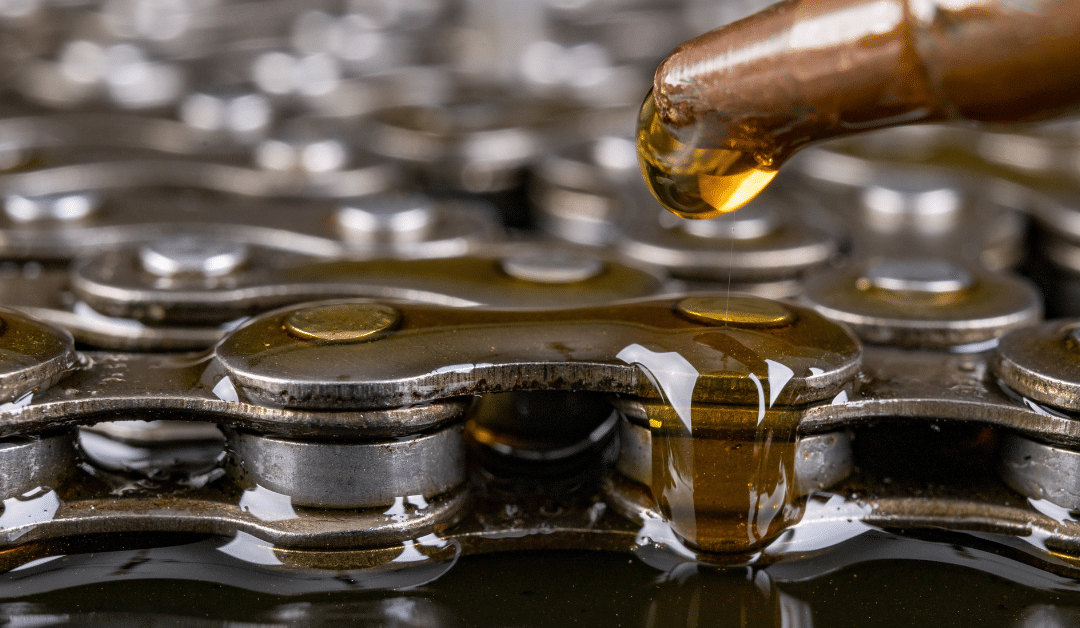
Industrial equipment operates under demanding conditions every day. Heavy loads, continuous operation, high temperatures, and harsh environments all place significant stress on moving components. Without proper lubrication, friction increases, parts wear more quickly, and equipment failures become much more common. That is why effective lubrication is one of the most important parts of any preventative maintenance program.
One solution that has become increasingly valuable in industrial facilities is grease lubrication systems. These systems are designed to deliver grease directly to critical components, helping equipment operate efficiently while reducing manual maintenance requirements. Whether a facility operates manufacturing equipment, conveyors, pumps, motors, or heavy industrial machinery, proper lubrication plays a major role in extending equipment life and minimizing downtime.
Understanding how grease lubrication systems work and why they are beneficial can help facility managers make informed decisions that improve both productivity and equipment reliability.
What Are Grease Lubrication Systems?
Grease lubrication systems are mechanical systems that deliver measured amounts of grease to specific lubrication points on industrial equipment. Rather than relying entirely on technicians to manually grease every component, these systems automate or simplify the lubrication process by distributing grease where it is needed on a scheduled basis.
The goal is to provide consistent lubrication while reducing the risk of over-lubrication or under-lubrication. Maintaining the proper amount of grease allows moving parts to operate smoothly, reduces friction, and helps protect components from excessive wear.
Many industrial facilities use grease lubrication systems because they improve maintenance consistency while reducing labor requirements and equipment downtime.
Why Proper Lubrication Is So Important
Every piece of industrial equipment contains moving parts that create friction during operation. Bearings, gears, chains, rollers, and other components constantly experience stress while equipment is running.
Without adequate lubrication, metal surfaces begin rubbing directly against one another. This creates excessive heat, increases wear, and eventually causes premature component failure.
Proper lubrication provides several important benefits, including:
- Reduced friction between moving parts
- Lower operating temperatures
- Protection against corrosion
- Reduced equipment wear
- Longer machinery lifespan
- Improved operating efficiency
When lubrication is applied consistently, equipment operates more smoothly and maintenance costs often decrease over time.
How Grease Lubrication Systems Work
Although there are several types of lubrication systems available, most operate using the same basic principles.
Grease is stored inside a reservoir or container connected to pumps and distribution lines. At scheduled intervals, the system delivers controlled amounts of grease through tubing directly to designated lubrication points.
Rather than applying grease manually with handheld grease guns, maintenance personnel can rely on the system to distribute lubricant consistently.
The amount of grease delivered depends on equipment requirements, operating conditions, and system configuration. This controlled delivery helps prevent common lubrication mistakes while ensuring critical components remain protected.
Because grease lubrication systems provide lubrication at regular intervals, equipment receives more consistent protection throughout daily operations.
Main Components of a Grease Lubrication System
Understanding the individual components helps explain how the entire system functions.
Reservoir
The reservoir stores the grease until it is needed. Reservoir size varies depending on the application and the amount of lubricant required by the equipment.
Larger industrial facilities often use higher-capacity reservoirs to reduce refill frequency.
Pump
The pump creates the pressure needed to move grease from the reservoir through the distribution lines.
Some pumps operate electrically while others use pneumatic or hydraulic power depending on the facility’s equipment and operating environment.
Distribution Lines
Distribution lines transport grease from the pump to each lubrication point.
These lines are designed to maintain consistent pressure while delivering lubricant evenly throughout the system.
Metering Devices
Metering devices control exactly how much grease reaches each component.
Since different bearings and machine parts require different lubrication amounts, these devices help ensure every point receives the appropriate volume.
Lubrication Points
Lubrication points are the locations where grease is applied to equipment.
These often include:
- Bearings
- Bushings
- Pins
- Chains
- Rollers
- Gears
- Pivot points
Proper lubrication at each of these locations helps reduce wear and extend equipment life.
Types of Grease Lubrication Systems
Not every industrial facility uses the same lubrication approach. Equipment type, operating conditions, and production demands often determine which system works best.
Single-Line Systems
Single-line systems are among the most common designs used in manufacturing facilities.
These systems distribute grease through one primary supply line that feeds multiple lubrication points.
They are relatively simple to maintain and work well for many industrial applications.
Dual-Line Systems
Larger facilities with extensive equipment often use dual-line systems.
These systems alternate grease flow between two main supply lines, allowing lubrication across greater distances and supporting larger numbers of lubrication points.
Dual-line systems are commonly used in steel mills, mining operations, and heavy manufacturing plants.
Progressive Systems
Progressive systems deliver grease through a sequence of metering valves.
Each valve must complete its cycle before grease reaches the next lubrication point, ensuring every location receives lubricant during each operating cycle.
This design allows maintenance teams to detect blockages quickly if grease stops flowing through the system.
Multi-Line Systems
Multi-line systems use separate pumping elements for individual lubrication points.
This design provides greater control over lubricant delivery and is often used when different machine components require varying grease volumes.
Industries That Benefit from Grease Lubrication Systems
Many industries rely on grease lubrication systems because of the demanding conditions their equipment experiences.
Common industries include:
- Manufacturing
- Food processing
- Chemical processing
- Mining
- Pulp and paper
- Steel production
- Warehousing and distribution
- Automotive manufacturing
- Aggregate operations
- Power generation
Each of these industries depends on reliable equipment to maintain productivity and minimize costly downtime.
Advantages Over Manual Lubrication
Many facilities still rely on manual lubrication using grease guns. While manual lubrication remains appropriate for certain applications, it presents several challenges.
Technicians may accidentally skip lubrication points, apply inconsistent grease amounts, or miss scheduled intervals due to staffing limitations or production demands.
Grease lubrication systems help eliminate many of these challenges by providing consistent, scheduled lubrication throughout equipment operation.
Additional advantages include reduced labor requirements, improved equipment reliability, lower maintenance costs, and more consistent lubricant application.
Improving Equipment Reliability
One of the greatest benefits of grease lubrication systems is improved equipment reliability. Consistent lubrication helps ensure that bearings, gears, chains, and other moving components receive the protection they need throughout the workday.
When machinery is lubricated at the proper intervals, friction remains low and parts experience less stress. This reduces the likelihood of unexpected failures and helps equipment perform more consistently.
Facilities that invest in reliable lubrication practices often experience fewer emergency repairs, better production efficiency, and improved overall equipment performance.
Supporting Preventative Maintenance
Preventative maintenance focuses on addressing small issues before they become major problems. Lubrication is one of the most important elements of this strategy because it directly affects equipment health.
Grease lubrication systems make preventative maintenance easier by providing a dependable method for delivering grease on a routine schedule. Rather than relying solely on manual inspections, maintenance teams can have greater confidence that critical components are receiving lubrication as intended.
This consistency allows technicians to focus on inspections, cleaning, adjustments, and other maintenance tasks that help improve long-term reliability.
Reducing Equipment Downtime
Unexpected downtime can be extremely expensive for industrial facilities. Production delays, emergency repairs, and replacement parts all contribute to increased operating costs.
Proper lubrication helps reduce these risks by minimizing wear and preventing premature component failure. Because grease lubrication systems deliver lubricant consistently, they help reduce one of the most common causes of equipment breakdowns.
When machinery remains properly lubricated, facilities are often able to maintain production schedules more effectively and avoid unnecessary interruptions.
Improving Workplace Safety
Proper lubrication contributes to a safer work environment in several ways. Equipment that operates smoothly is less likely to experience sudden failures that could create hazardous situations for employees.
In addition, grease lubrication systems can reduce the need for technicians to manually lubricate equipment in difficult or hard-to-reach locations. Depending on the system design, lubrication can often be performed while reducing employee exposure to moving machinery or hazardous areas.
Safer maintenance procedures benefit both employees and facility operations.
Preventing Over-Lubrication and Under-Lubrication
Applying the correct amount of grease is just as important as applying it regularly.
Too little grease allows excessive friction and wear to develop, while too much grease can increase pressure, damage seals, generate excess heat, and waste lubricant.
One advantage of grease lubrication systems is their ability to dispense measured amounts of grease based on equipment requirements. This controlled application helps maintain consistent lubrication while reducing common maintenance errors.
Proper grease delivery supports both equipment performance and lubricant efficiency.
The Importance of Proper Grease Selection
Even the best lubrication system cannot compensate for using the wrong grease. Different equipment requires different grease formulations depending on operating conditions, temperatures, loads, and environmental exposure.
Maintenance teams should always follow manufacturer recommendations when selecting grease products. Factors such as viscosity, thickener type, additive package, and operating temperature range should all be considered.
Using compatible products allows grease lubrication systems to perform as intended while maximizing equipment protection.
Routine Inspection Still Matters
Although automated lubrication systems simplify maintenance, they do not eliminate the need for inspections.
Maintenance personnel should regularly inspect reservoirs, pumps, tubing, fittings, and lubrication points to verify proper operation. Leaks, damaged lines, clogged fittings, or empty reservoirs can prevent grease from reaching critical components.
Routine inspections also allow technicians to identify worn components before they become major maintenance issues.
Combining inspections with consistent lubrication creates a stronger preventative maintenance program.
Common Mistakes to Avoid
Facilities can maximize the effectiveness of grease lubrication systems by avoiding several common mistakes.
- Ignoring manufacturer lubrication recommendations.
- Using incompatible grease products.
- Failing to inspect distribution lines regularly.
- Allowing contamination to enter reservoirs.
- Waiting too long to refill grease supplies.
- Neglecting routine system maintenance.
- Assuming automated systems never require inspection.
Avoiding these issues helps ensure reliable lubrication and extends equipment life.
When Is It Time to Upgrade?
Not every facility currently uses an automated lubrication system. Many operations continue relying entirely on manual lubrication practices.
Signs it may be time to consider grease lubrication systems include:
- Frequent bearing failures.
- Rising maintenance costs.
- Inconsistent lubrication schedules.
- Equipment operating around the clock.
- Large numbers of lubrication points.
- Difficulty accessing certain components safely.
- Increasing unplanned downtime.
Upgrading lubrication processes can improve maintenance efficiency while helping facilities protect valuable equipment.
Partner With Experienced Industrial Professionals
Lubrication is only one part of maintaining industrial equipment. Successful maintenance programs also include equipment inspections, contamination control, industrial cleaning, and ongoing preventative maintenance.
Experienced industrial service professionals understand how these systems work together to support reliable operations. They can help facilities evaluate existing lubrication practices, identify areas for improvement, and develop maintenance strategies that improve long-term equipment performance.
Working with knowledgeable professionals helps ensure equipment receives the care it needs while supporting safe and efficient operations.
Efficiency and Reliability
Grease lubrication systems provide an efficient and reliable way to protect industrial equipment from excessive wear, overheating, and premature failure. By delivering consistent amounts of grease directly to critical components, these systems help reduce friction, improve equipment reliability, and support preventative maintenance programs.
Whether your facility operates manufacturing equipment, conveyors, pumps, or heavy industrial machinery, implementing proper lubrication practices can significantly improve productivity while reducing maintenance costs and unexpected downtime.
Investing in grease lubrication systems is ultimately an investment in the long-term performance, safety, and reliability of your operation.
Stay up to date with the latest at PBM Services Company by following us on LinkedIn.