
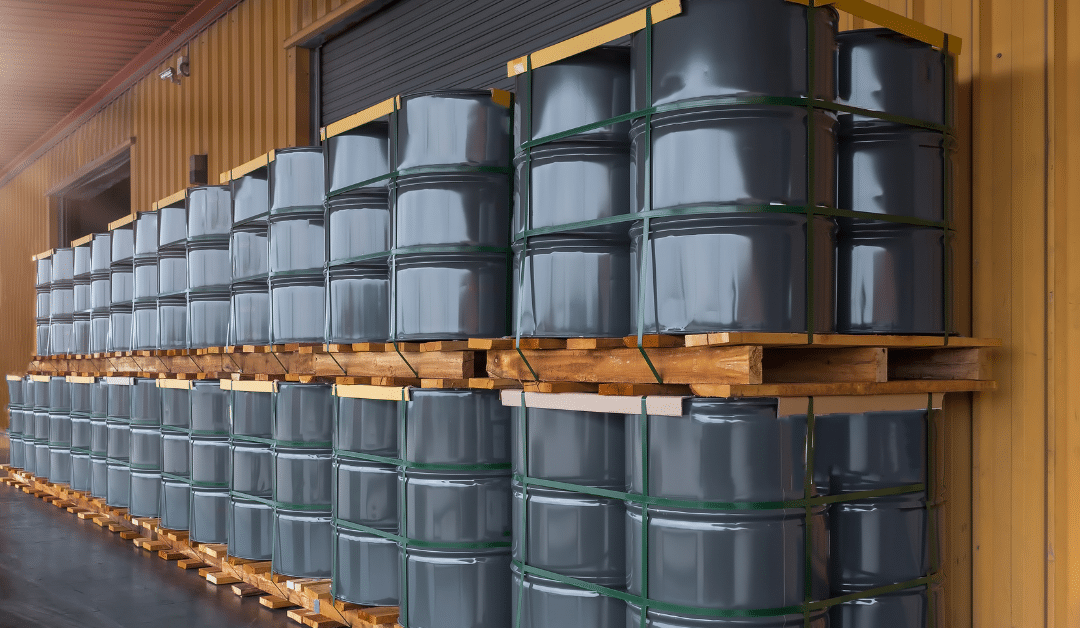
In industrial environments, efficiency, safety, and equipment longevity all depend on proper maintenance practices. One often overlooked but essential part of maintenance is how lubricants are stored and managed. This is where bulk lubrication storage becomes a critical component of operations.
Rather than relying on small containers or inconsistent storage methods, industrial facilities benefit from organized systems designed to store and distribute lubricants in larger quantities. A well-designed bulk lubrication storage setup helps ensure that lubricants remain clean, accessible, and ready for use when needed.
Understanding how these systems work and why they matter can help facility managers improve performance, reduce costs, and maintain a safer work environment.
What Is Bulk Lubrication Storage?
At its core, bulk lubrication storage refers to the process of storing lubricants in large, centralized containers or systems that are designed for easy access and controlled distribution. These systems are typically used in industrial facilities where machinery requires frequent and consistent lubrication.
Instead of using multiple small containers that can lead to waste and contamination, bulk lubrication storage allows facilities to manage lubricants more efficiently. It often includes tanks, pumps, filtration systems, and designated dispensing areas.
By consolidating lubrication supplies into one organized system, facilities can streamline maintenance tasks and ensure that lubricants are applied correctly across all equipment.
Why Proper Lubrication Storage Matters
Proper storage of lubricants plays a direct role in equipment performance. When lubricants are exposed to contaminants such as dirt, water, or debris, their effectiveness is reduced. This can lead to increased friction, overheating, and component wear.
A structured bulk lubrication storage system helps prevent contamination by providing sealed containers and controlled environments. This ensures that lubricants maintain their quality and perform as intended.
Additionally, proper storage reduces waste and ensures that the right type of lubricant is used for each application. This level of organization is essential for maintaining consistency in industrial operations.
Preventing Contamination and Equipment Damage
Contamination is one of the leading causes of lubrication failure. Even small amounts of foreign material can compromise lubricant performance and damage internal components.
With bulk lubrication storage, facilities can implement filtration and sealing systems that protect lubricants from external contaminants. This reduces the risk of introducing harmful particles into machinery.
By maintaining clean lubricants, facilities can extend equipment lifespan and reduce the likelihood of costly repairs. Preventing contamination is a simple but effective way to improve overall reliability.
Improving Maintenance Efficiency
Efficiency is a key priority in any industrial setting. Maintenance teams need quick and reliable access to the tools and materials required to keep operations running smoothly.
A well-organized bulk lubrication storage system makes it easier for technicians to locate and dispense the correct lubricant. This reduces the time spent searching for materials and minimizes delays in maintenance tasks.
In addition, centralized storage allows for better tracking of lubricant usage. Facilities can monitor inventory levels and ensure that supplies are replenished as needed. This helps prevent shortages and keeps operations running without interruption.
Supporting Preventative Maintenance Programs
Preventative maintenance is essential for avoiding unexpected equipment failures. Lubrication plays a major role in these programs by reducing wear and ensuring that components operate efficiently.
With bulk lubrication storage, facilities can establish consistent lubrication schedules and ensure that all equipment receives the necessary care. This consistency is key to preventing breakdowns and maintaining productivity.
By integrating lubrication into a structured maintenance plan, facilities can reduce downtime and extend the lifespan of their machinery.
Enhancing Workplace Safety
Safety is a top concern in industrial environments. Improper storage of lubricants can create hazards such as spills, leaks, and fire risks. Disorganized storage areas may also increase the likelihood of accidents.
A properly designed bulk lubrication storage system helps reduce these risks by providing secure containers and designated storage areas. This keeps lubricants contained and minimizes the chance of accidental exposure.
In addition, organized storage improves overall workplace cleanliness, making it easier for employees to navigate the facility safely. Maintaining a clean and structured environment contributes to a safer operation.
Reducing Waste and Operational Costs
Managing costs is a priority for any industrial facility. Inefficient lubrication practices can lead to unnecessary waste, increased maintenance expenses, and higher operational costs.
By implementing bulk lubrication storage, facilities can reduce waste by purchasing lubricants in larger quantities and minimizing spillage. Centralized systems also help ensure that the correct amount of lubricant is used, preventing overuse.
Over time, these improvements can lead to significant cost savings. Efficient storage and management practices support both short-term and long-term financial goals.
Improving Equipment Performance and Longevity
Equipment performance is directly influenced by the quality and consistency of lubrication. When machinery receives clean, properly applied lubricant, it operates more efficiently and experiences less wear.
A reliable bulk lubrication storage system ensures that lubricants are readily available and maintained in optimal condition. This allows maintenance teams to apply lubrication consistently and accurately.
As a result, equipment operates more smoothly, requires fewer repairs, and lasts longer. Protecting machinery through proper lubrication is a key factor in maintaining productivity.
Organizing Lubrication Processes
Disorganized lubrication practices can lead to confusion, errors, and inefficiencies. Without a clear system in place, it can be difficult to track which lubricants are being used and where they are applied.
Bulk lubrication storage provides a structured approach to managing lubrication processes. With designated storage areas, labeling systems, and controlled dispensing methods, facilities can maintain better organization.
This level of organization helps reduce mistakes and ensures that maintenance tasks are completed accurately. Clear processes make it easier for teams to follow best practices and maintain consistency.
When to Upgrade Your Storage System
Not all facilities start with an advanced lubrication storage system. Many rely on smaller containers or outdated methods that may no longer meet operational needs.
Signs that it may be time to upgrade to bulk lubrication storage include frequent contamination issues, difficulty tracking inventory, and inconsistent lubrication practices. Facilities experiencing these challenges can benefit from a more structured approach.
Upgrading storage systems allows facilities to improve efficiency, reduce risks, and support long-term operational success.
Working with Experienced Professionals
Implementing or upgrading a lubrication storage system can be a complex process. Working with experienced professionals can help ensure that the system is designed and installed correctly.
Industrial service providers can assess current storage methods, identify areas for improvement, and recommend solutions that align with facility needs. Their expertise can help ensure that bulk lubrication storage systems are both effective and efficient.
Partnering with professionals allows facilities to make informed decisions and achieve better results from their maintenance efforts.
Final Thoughts
Understanding the importance of bulk lubrication storage is essential for maintaining efficient and reliable industrial operations. From preventing contamination to improving safety and reducing costs, proper storage systems play a key role in overall performance.
By investing in organized and well-maintained storage solutions, facilities can support their equipment, streamline maintenance processes, and create a safer work environment. Taking a proactive approach to lubrication management helps ensure long-term success.
For facilities looking to improve their operations, working with a trusted provider like PBM Service Company can make a meaningful difference.
Stay up to date with the latest at PBM Services Company by following us on LinkedIn.