
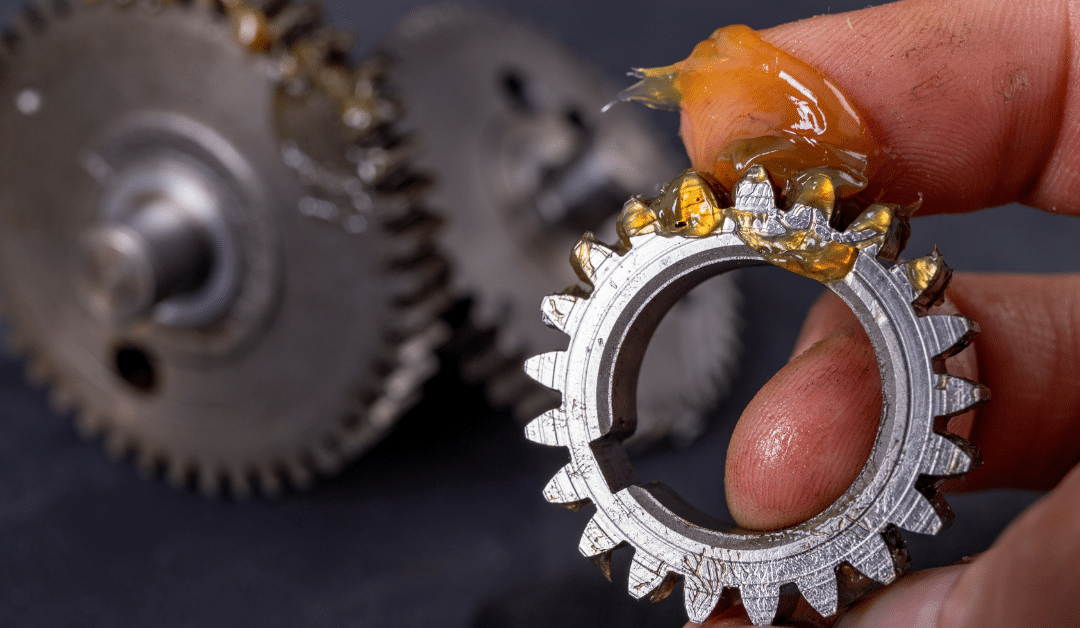
Equipment reliability is one of the most important factors in maintaining efficient industrial operations. When machinery begins experiencing excessive wear, overheating, or unexpected breakdowns, lubrication issues are often one of the first areas that should be evaluated. Proper machinery lubrication helps reduce friction, protect components, and support long-term equipment performance.
Unfortunately, lubrication problems are not always obvious at first. Small issues can gradually develop into major maintenance concerns if they are not addressed early. Recognizing the warning signs of machinery lubrication problems can help facilities reduce downtime, improve safety, and avoid costly repairs.
Below are five common signs that your facility may be dealing with machinery lubrication problems and why addressing them quickly is important.
Increased Equipment Downtime
One of the clearest signs of machinery lubrication issues is an increase in unexpected equipment downtime. When moving components are not properly lubricated, friction and heat begin to build up, causing machinery to operate less efficiently.
Over time, this additional strain can lead to premature wear and sudden equipment failure. If machinery is repeatedly shutting down or requiring emergency repairs, lubrication practices should be reviewed closely.
Consistent machinery lubrication helps reduce stress on components and keeps equipment operating more reliably. Facilities that prioritize proper lubrication often experience fewer interruptions and improved productivity.
Excessive Heat and Friction
Industrial equipment naturally generates heat during operation, but excessive temperatures can indicate lubrication problems. Without proper lubrication, components rub together more aggressively, increasing friction and creating additional heat.
If machinery feels hotter than normal or maintenance teams notice overheating issues, machinery lubrication may not be meeting the equipment’s needs. High temperatures can damage seals, degrade components, and shorten equipment lifespan.
Monitoring temperature changes and addressing lubrication concerns early can help prevent more serious failures from developing.
Unusual Noises During Operation
Grinding, squealing, or knocking sounds are often warning signs that machinery is not being properly lubricated. These noises typically occur when metal components begin rubbing against each other without adequate protection.
Ignoring these sounds can lead to severe damage over time. Proper machinery lubrication creates a protective barrier between moving parts, reducing friction and helping equipment operate more smoothly.
Facilities should investigate unusual equipment noises immediately to determine whether lubrication practices need adjustment.
Increased Maintenance and Repair Costs
Rising maintenance expenses are another common indicator of lubrication issues. When equipment is not properly maintained, parts wear out more quickly and require more frequent replacement.
Poor machinery lubrication can contribute to damaged bearings, worn gears, and overheating components. These problems often result in higher repair costs and increased downtime.
Implementing consistent lubrication schedules and ensuring that the correct lubricants are used can help reduce maintenance costs and improve overall equipment reliability.
Visible Contamination or Dirty Lubricants
Contamination is one of the leading causes of lubrication failure. Dirt, water, and debris can compromise lubricant quality and reduce its ability to protect machinery.
If maintenance teams notice dirty, discolored, or contaminated lubricants, it may indicate problems with storage, handling, or lubrication systems. Contaminated lubricants can accelerate wear and damage internal components.
Maintaining clean machinery lubrication practices and using proper storage methods can help prevent contamination and extend equipment lifespan.
The Importance of Preventative Maintenance
Preventative maintenance is essential for keeping industrial operations running smoothly. Machinery lubrication plays a major role in these programs by helping reduce wear and maintaining consistent equipment performance.
Facilities that take a proactive approach to lubrication are often better equipped to prevent unexpected failures and costly repairs. Routine inspections, scheduled lubrication intervals, and ongoing monitoring all contribute to more reliable operations.
By identifying lubrication issues early, facilities can improve efficiency and extend the lifespan of their equipment.
How Proper Lubrication Supports Safety
Safety is always a priority in industrial environments. Equipment that is not properly lubricated can overheat, seize, or fail unexpectedly, creating hazards for employees and operations.
Effective machinery lubrication helps equipment operate safely by reducing friction and preventing excessive wear. Well-maintained machinery is less likely to experience sudden failures that could lead to accidents or unsafe conditions.
Supporting safe operations through proper maintenance practices benefits both employees and overall productivity.
Working with Experienced Professionals
Managing lubrication programs can become complex, especially in large industrial facilities with extensive equipment. Working with experienced professionals can help ensure that lubrication systems and maintenance processes are functioning properly.
Industrial service providers can assess lubrication practices, identify areas for improvement, and recommend solutions that align with operational goals. Their expertise can help facilities improve efficiency and avoid costly issues.
For facilities looking to strengthen maintenance programs, working with a trusted provider like PBM Service Company can help support long-term reliability.
Recognizing the Signs
Recognizing the warning signs of machinery lubrication problems is essential for protecting equipment and maintaining efficient operations. Increased downtime, overheating, unusual noises, rising repair costs, and contamination are all indicators that lubrication practices may need attention.
By improving machinery lubrication processes and taking a proactive approach to maintenance, facilities can reduce downtime, improve safety, and extend equipment lifespan. Consistent lubrication practices are a key part of keeping industrial operations running smoothly.
Stay up to date with the latest at PBM Services Company by following us on LinkedIn.