
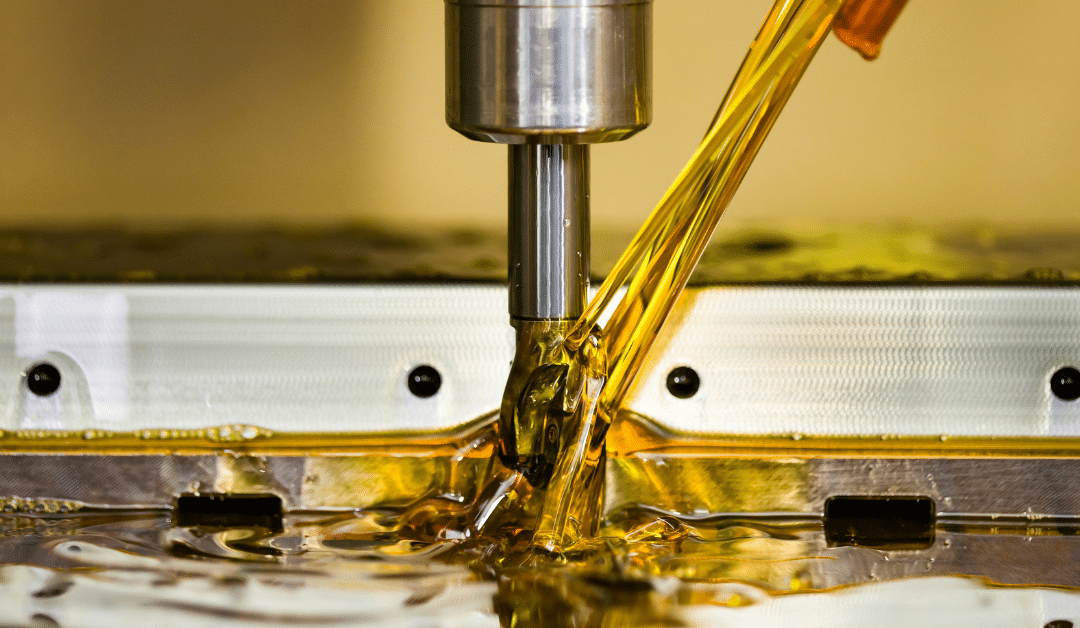
In industrial environments, equipment reliability and efficiency depend heavily on proper maintenance practices. One of the most important, yet often overlooked, elements of maintenance is how lubricants are stored and handled. Even high-quality industrial lubricants can fail to perform if they are exposed to contamination, improper storage conditions, or inconsistent handling procedures.
When lubricants are not stored correctly, they can degrade, lose effectiveness, and introduce harmful contaminants into equipment. This can lead to increased wear, reduced efficiency, and costly downtime. For facility managers and maintenance teams, establishing proper storage and handling practices is essential for protecting both equipment and operations.
Below are seven key tips to help ensure industrial lubricants are stored and handled properly in industrial facilities.
Store Lubricants in a Clean, Controlled Environment
The first step in protecting industrial lubricants is ensuring they are stored in a clean and controlled environment. Exposure to dirt, dust, moisture, and extreme temperatures can significantly impact lubricant quality.
Lubricants should be stored indoors whenever possible, away from direct sunlight and fluctuating temperatures. A dedicated storage area helps minimize contamination and keeps products organized.
Maintaining a clean storage environment ensures that industrial lubricants remain effective and ready for use when needed.
Use Properly Sealed Containers
Keeping lubricants sealed is essential for preventing contamination. Open or loosely sealed containers allow airborne particles and moisture to enter, which can degrade the lubricant.
Using tightly sealed containers and ensuring lids are secured after each use helps maintain the integrity of industrial lubricants. For larger operations, sealed bulk systems can provide even greater protection.
Proper sealing not only preserves lubricant quality but also reduces the risk of introducing contaminants into machinery.
Clearly Label All Lubricants
Misidentification of lubricants can lead to serious equipment issues. Different types of industrial lubricants are designed for specific applications, and using the wrong one can cause damage.
Clearly labeling all containers with the lubricant type, application, and usage instructions helps prevent confusion. Color-coding systems can also be useful in larger facilities.
Accurate labeling ensures that maintenance teams use the correct industrial lubricants for each piece of equipment.
Avoid Cross-Contamination
Cross-contamination occurs when different lubricants are mixed or when contaminants are introduced during handling. This can reduce performance and damage equipment.
To prevent cross-contamination, use dedicated tools and equipment for each type of lubricant. Avoid using the same containers or dispensing tools for multiple products.
Maintaining separation between different industrial lubricants helps preserve their effectiveness and ensures reliable performance.
Train Staff on Proper Handling Procedures
Even the best storage systems can fail if staff are not properly trained. Employees should understand how to handle lubricants safely and follow established procedures.
Training should cover proper storage, dispensing methods, and contamination prevention. When staff are knowledgeable, they are more likely to follow best practices consistently.
Well-trained teams play a key role in maintaining the quality of industrial lubricants and protecting equipment.
Implement a First-In, First-Out System
Lubricants have a shelf life, and using older products first helps prevent waste and degradation. A first-in, first-out (FIFO) system ensures that lubricants are used in the order they are received.
Organizing storage areas to support FIFO practices helps maintain product quality and reduces the risk of using expired lubricants.
This approach ensures that industrial lubricants are always used at their optimal performance level.
Regularly Inspect Storage Areas and Equipment
Routine inspections are essential for identifying potential issues before they become serious problems. Storage areas, containers, and dispensing equipment should be checked regularly for signs of contamination, leaks, or damage.
Inspections help ensure that industrial lubricants are stored properly and that handling procedures are being followed. Addressing issues early can prevent costly equipment failures and downtime.
Consistent monitoring supports long-term reliability and helps maintain high standards of maintenance.
The Importance of Proper Lubricant Management
Effective storage and handling practices are a key part of overall maintenance strategies. When industrial lubricants are managed properly, equipment operates more efficiently and experiences less wear.
Proper lubricant management also supports safety by reducing the risk of spills and exposure to hazardous materials. Organized storage systems create a cleaner, safer work environment for employees.
By prioritizing proper storage and handling, facilities can improve performance, reduce costs, and extend equipment lifespan.
When to Seek Professional Support
Managing lubricant storage and handling can become complex, especially in large or high-demand facilities. Working with experienced professionals can help ensure that systems are set up and maintained correctly.
Industrial service providers can assess current practices, recommend improvements, and implement solutions that enhance efficiency and safety. Their expertise can help facilities maintain high standards and avoid common issues.
For facilities looking to improve their maintenance practices, working with a trusted provider like PBM Service Company can make a significant difference.
Essential for Performance
Properly storing and handling industrial lubricants is essential for maintaining equipment performance and preventing costly issues. From contamination prevention to staff training, each step plays a role in ensuring reliable operations.
By following these best practices, facilities can protect their equipment, improve efficiency, and maintain a safer work environment. Taking a proactive approach to lubricant management helps support long-term success.
Stay up to date with the latest at PBM Services Company by following us on LinkedIn.